
One of the most common questions we get at FUKUOKA OTAKU is:
"What cultivar is your matcha?" The honest answer is that
cultivar matters less than most people think. What really shapes
the flavor of matcha is where it's grown — the soil, the
altitude, the mist, and the shading methods used by local farmers.
Here's a breakdown of the three regions we source from, and what
makes each one taste the way it does.
A Note on Blending
Our matcha is a blend — and that's intentional. By combining
leaves from different lots and cultivars within each region,
we're able to deliver a consistent flavor and quality with every
order. This is standard practice among serious Japanese tea
producers, and it's how we make sure what arrives at your door
tastes exactly as expected.
―――――――――――――――――――――――
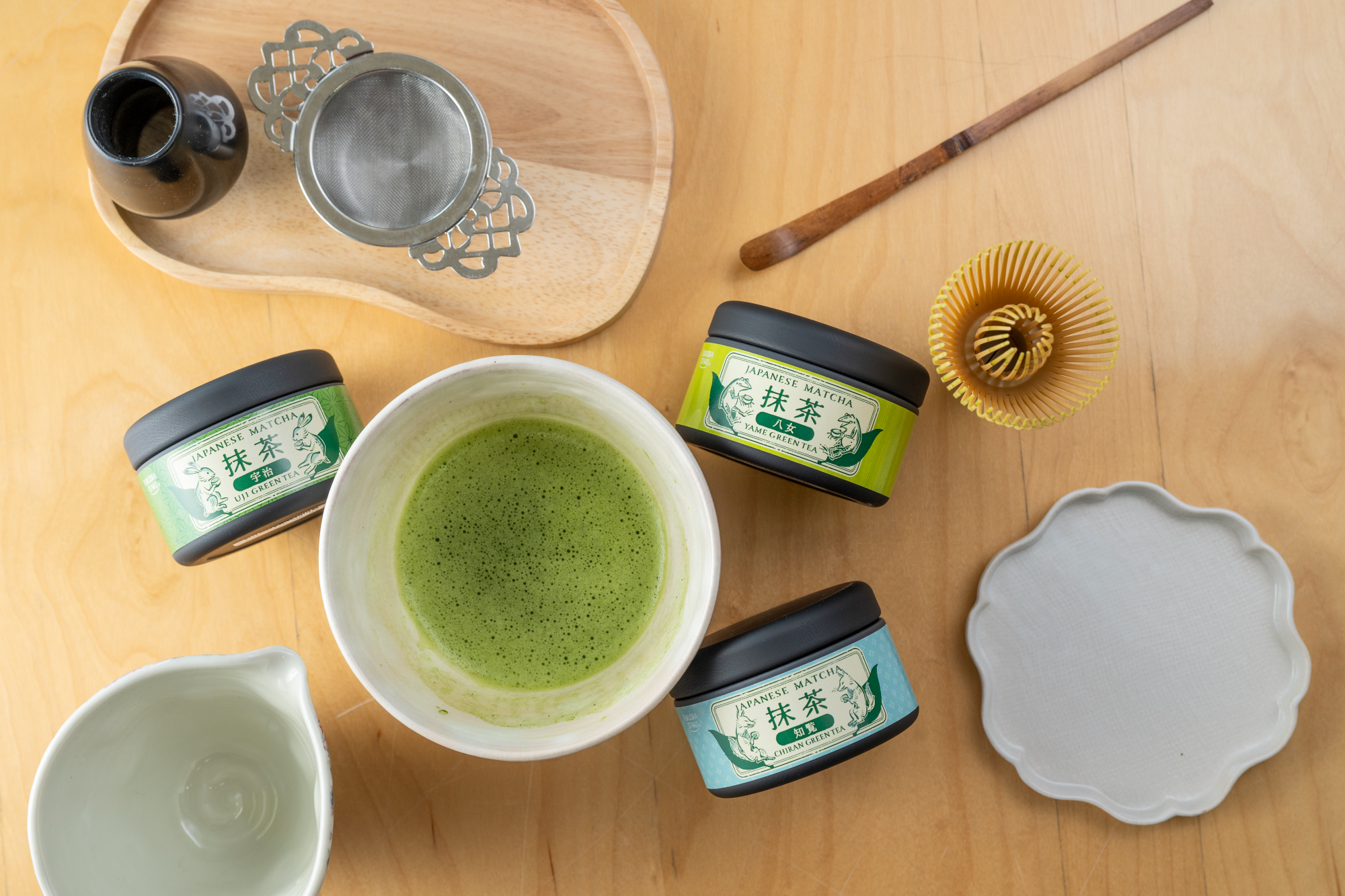
Yame (Fukuoka) — Rich, Sweet, Almost Broth-Like
Yame is our home region, and it's Japan's best-kept secret in
the matcha world.
The geography makes all the difference: Yame sits in an inland
mountain basin with high altitude, dramatic temperature swings
between day and night, and dense morning fog. Less direct
sunlight means the tea leaves produce more L-theanine — the
compound responsible for that deep, savory sweetness.
Yame farmers also use traditional straw shading (honzu), one of
the most labor-intensive methods in Japan. The result is a matcha
with almost zero bitterness, intense umami, and a creamy,
full-bodied texture.
Best for: Drinking straight, matcha lattes, anyone who dislikes
bitterness.
―――――――――――――――――――――――
Uji (Kyoto) — Balanced, Refined, with Gentle Bitterness
Uji is the birthplace of Japanese matcha culture and still one
of the most prestigious regions in the world.
The Uji valley is known for its cool, misty climate and
mineral-rich soil — conditions that produce a tea with layered
complexity: floral top notes, balanced umami, and a pleasant,
sophisticated bitterness. If Yame is "broth-like," Uji is
"structured."
The slight bitterness that some notice is a sign of quality —
not a flaw.
Best for: Traditional preparation, wagashi, those who enjoy
classic matcha flavor.
―――――――――――――――――――――――
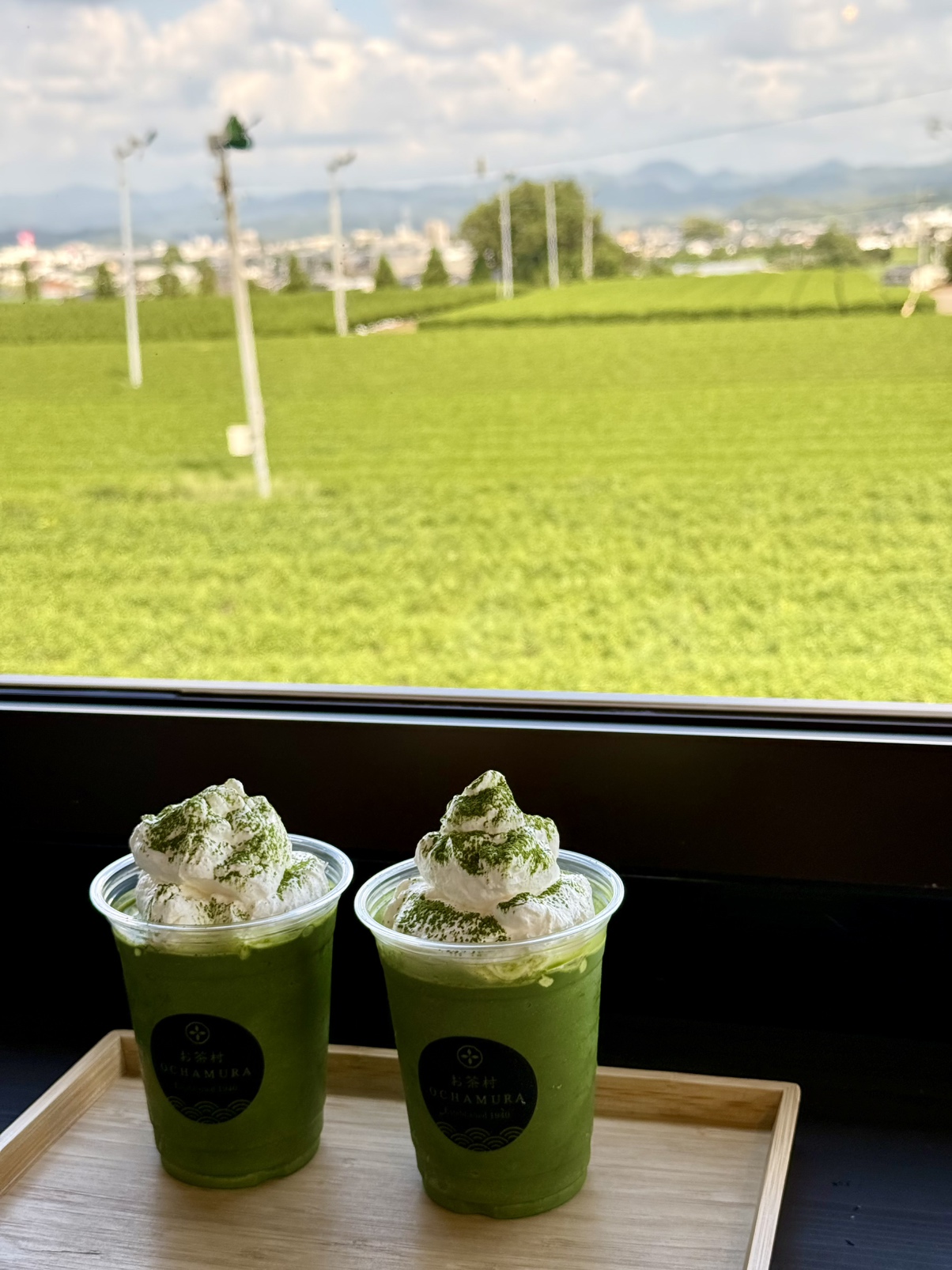
Chiran (Kagoshima) — Light, Fresh, Easy to Drink
Chiran sits at the southern tip of Japan, blessed with volcanic
soil and abundant sunshine — the complete opposite of Yame's
shaded mountain valleys.
More sunlight means a lighter, brighter green color and a
cleaner, more refreshing taste. Chiran matcha is less intense
than Yame or Uji — lower in bitterness, lower in umami —
which makes it the most approachable of the three for everyday
drinking.
Best for: Daily use, smoothies, cooking and baking, beginners.
―――――――――――――――――――――――
Which One Is Right for You?
Rich and sweet with no bitterness → Yame
Balanced and classic with gentle complexity → Uji
Light, fresh, and easy to drink → Chiran
A Common Question: Why Does My Matcha Feel Powdery?
Some customers mention that our matcha can feel slightly powdery
when mixed with cold water or milk. Here are two easy fixes:
・Sift the matcha before whisking (a small sieve works perfectly)
・Dissolve in a small amount of warm water first, then add cold
milk or water
All three are available at FUKUOKA OTAKU, shipped directly
from Fukuoka, Japan.